Dr. Gunjan Dhir's Prosthodontic Research on Candida-Resistant Denture Materials
Surface Charge, Wettability, and Saliva's Own Defenses
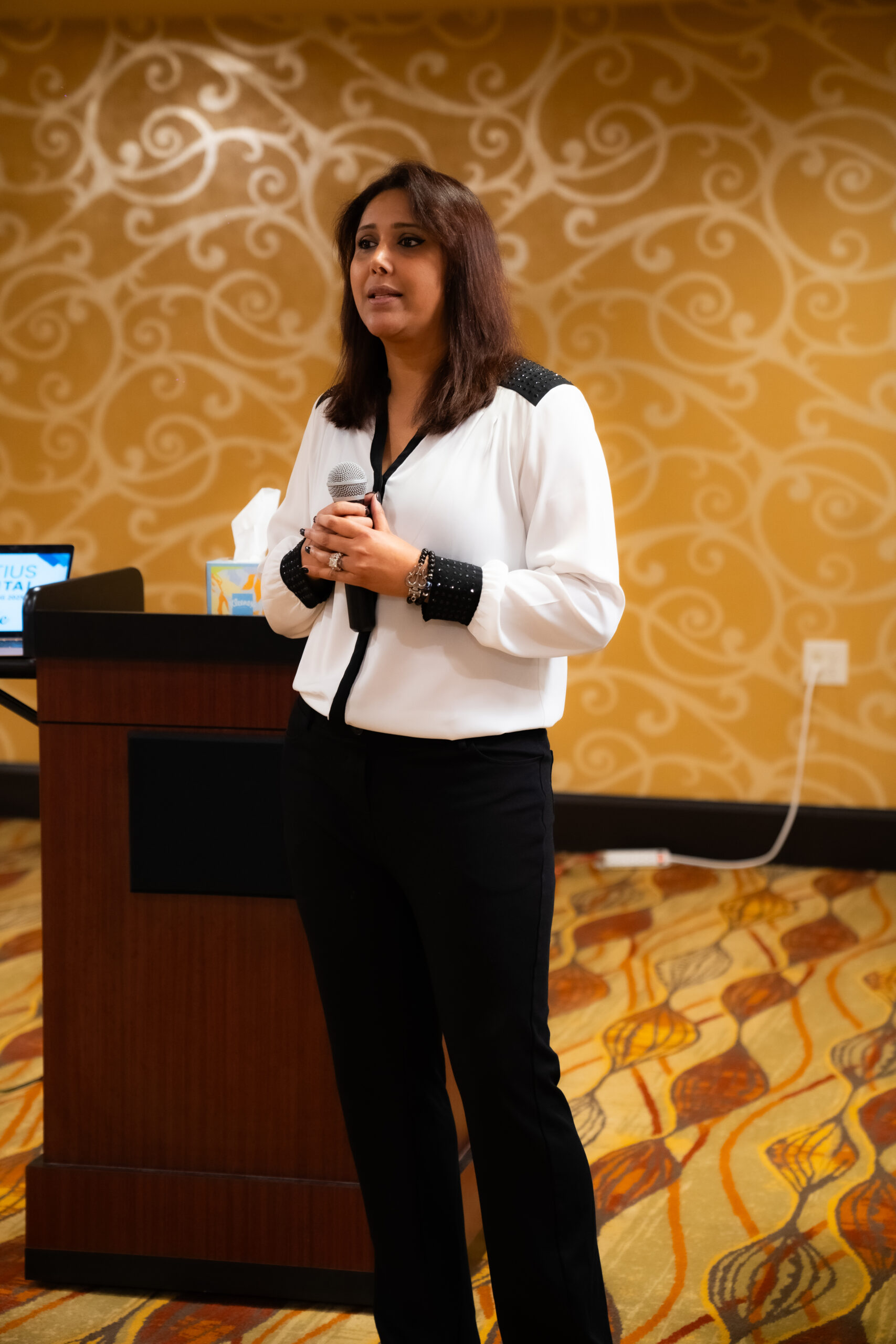
Dr. Gunjan Dhir, BDS, MS, is a prosthodontist, co-founder and Chief Dental Officer of Altius Dental, and a published prosthodontic researcher whose work has examined denture materials designed to resist Candida adhesion. Her research explored how changing the surface properties of denture acrylic could make it less favorable for Candida while maintaining the properties needed for a functional denture. This page explains Dr. Dhir's research in plain language and what it means for denture patients in Paris, Texas.

SAME-DAY DENTURE HELP
Often available if you are in pain

WALK-INS WELCOME
With or Without an Appointment

ALL PPO INSURANCES ACCEPTED
Plus options without traditional coverage

375 Stone Avenue,
Paris, TX 75460
 CLICK TO CALL NOW
(903) 494-3137
CLICK TO CALL NOW
(903) 494-3137
HOURS:
Monday – Thursday: 8:00am – 5:00pm
Friday: 8:00am – 4:00pm
Saturday – Sunday: Closed
Dr. Gunjan Dhir’s Denture Surface Research at a Glance
- Dr. Gunjan Dhir, BDS, MS, is a prosthodontist and the co-founder and Chief Dental Officer of Altius Dental, the group behind Norwood Family Dental.
- Natural tooth enamel carries a faint negative charge that attracts protective salivary proteins. Ordinary denture acrylic does not.
- Adding a charged phosphate component made the denture surface measurably more water loving, which is a less inviting landing pad for Candida.
- Wettability is measured as contact angle: a low angle means the water spreads, a high angle means it beads.
- Norwood Family Dental is a 4.6-star dental office in Paris, TX, led by Dr. John Norwood.


516 Google Reviews

COMPLETE DENTURE CARE
Full, Partial, and Implant Retained

FINANCING AVAILABLE
Payment plans and Cherry financing

EXPERT CLINICAL CARE
Dr. John Norwood
Dr. Gunjan Dhir’s Research: Why Teeth Have a Charge and Dentures Do Not
Dr. Gunjan Dhir, BDS, MS, a prosthodontist and dental researcher has contributed to published studies examining the surface properties of modified denture materials, including how a denture’s surface charge and wettability influence whether Candida can take hold. She is the co-founder and Chief Dental Officer of Altius Dental, the group behind Norwood Family Dental in Paris, Texas. You can learn more on her profile at Altius Dental.
Natural tooth enamel carries a faint negative electrical charge at its surface. That matters more than it sounds, because the charge attracts a specific set of protective proteins from your saliva, including a family called histatins that can actively fight Candida, the yeast responsible for most denture infections. These proteins gather on enamel and form part of a natural defensive coating.
Standard denture acrylic does not carry that charge. So the protective proteins that would normally settle onto a tooth largely pass it by, and the denture surface is left without one of the body’s built-in defenses. That absence is a big reason the tissue under a denture is so prone to yeast in the first place. The research question was elegant: what if the denture material could be given its own negative charge, so it recruited those same protective proteins? To do that, the team added a charged phosphate component to the acrylic, then measured whether the surface actually changed.
Dr. Gunjan Dhir’s Research on Denture Surface Wettability
You cannot see surface charge directly, but you can measure one of its telltale effects: how water behaves on the material. Place a drop of water on a water repellent, or hydrophobic, surface and it beads up tightly. On a water loving, or hydrophilic, surface, the same drop spreads out and flattens. Scientists capture this with a number called the contact angle, where a high angle means the drop beads and a low angle means it spreads.
This is not a trivial detail, because Candida tends to cling more readily to hydrophobic, water repelling surfaces. A more water loving surface is, in general, a less inviting landing pad.
Due for a denture check? Book online or call (903) 494-3137. We welcome new patients of all ages from across Paris and Lamar County.
What Dr. Gunjan Dhir’s Research Found
In the study she co-authored, the team measured the phosphate modified dentures and found a clear trend:
- As more of the charged component was added, the contact angle went down, meaning the surface became more hydrophilic and more tooth-like in this respect.
- At the highest concentration tested, that shift was strong enough to be statistically significant, so the surface had genuinely changed in the intended direction.
- Finishing matters too. Polished surfaces behaved differently from rough, unpolished ones, which is a meaningful reminder, because the fitting surface of a real denture, the side against your gums where infection actually takes hold, is left unpolished.
Put the pieces together and the strategy makes sense. A charged, more hydrophilic denture surface is both less attractive to yeast and more welcoming to your saliva’s natural antifungal proteins. Instead of fighting infection after it starts, the material aims to make infection harder to establish in the first place, an approach often called biomimetic, because it borrows the trick natural teeth already use. It is worth being clear-eyed: this is laboratory research, and the teams stressed that larger clinical studies are still needed before such materials reach everyday patients. The related work appears in the Journal of Prosthodontics (PubMed) and the Journal of Prosthetic Dentistry.
Dr. Gunjan Dhir was the lead author of the 2007 study “Physical Properties of Denture Base Resins Potentially Resistant to Candida Adhesion,” published in the Journal of Prosthodontics.
What It Means for Denture Wearers in Paris
The science is fascinating, but the everyday lesson is refreshingly practical: the surface of your denture matters, and so does keeping it clean and well fitted. A smooth, clean, properly adjusted denture already denies yeast much of the foothold it wants. A rough, neglected, or loose one does the opposite.
A few habits protect the surface of any denture:
- Clean the fitting surface daily, because it is the side where films build up. Brush inside and outside with a soft, large nylon denture brush with round-ended bristles.
- Use denture creams rather than toothpastes, which are too abrasive and will scratch the surface, then rinse with cold water. Dentures warp if placed in hot water.
- Take the denture out overnight when advised, so the surface can dry, and cover it with water or a denture-cleaning solution when not in use so it does not dry out.
- Have a rough, worn, or loose denture evaluated rather than living with it, because loose dentures cause friction and pressure on the gum tissues and bone.
Dr. Gunjan Dhir’s Related 2008 Denture Material Research
Dr. Gunjan Dhir also contributed to a 2008 study published in the Journal of Prosthetic Dentistry that examined how adding phosphate groups affected the physical properties of denture base resins. The researchers evaluated properties including impact strength, fracture toughness and the bond between denture teeth and the resin base.
Your Denture Options at Norwood Family Dental
Our team in Paris offers a full range of denture options. A conventional denture is made after all teeth have been extracted and the gums have healed, while an immediate denture is fabricated and inserted immediately after extraction so the tissues heal underneath it. Partial dentures fit around remaining natural teeth.
For a more secure fit, implant-retained dentures anchor to dental implants. Options range from a ball attachment denture that snaps onto two implants, to a bar attachment overdenture using four to six implants, to a screw-retained denture that does not touch the gum tissue at all. Benefits include improved confidence, stability during eating, bone and gum preservation, and better dental hygiene.
Just as important is keeping an existing denture sound. Dentures wear over time and need to be replaced or relined to keep the jaw alignment normal, because the bone and gum ridges slowly recede after extraction. Ongoing denture care keeps both the surface and the fit in good shape, and regular examinations let us check the oral tissues for disease or change.
Your Care in Paris With Dr. John Norwood
Dr. Gunjan Dhir’s role is as a co-founder of Altius Dental rather than the treating dentist on site. Care in Paris is provided by Dr. John Norwood and the Norwood Family Dental team.
Dr. Norwood was born and raised in Texarkana. He graduated from Stephen F. Austin State University in 2001, where he earned his B.S. in biology, and went on to graduate from the Baylor College of Dentistry in 2006. He has been married to his wife, Melissa, for 25 years, and his hobbies are tinkering with cars, collecting vintage watches, and spending time with family. He is passionate about bringing quality care to the community.
Your visit is straightforward: complete your new patient forms, have your denture and the tissue underneath examined, and get a clear explanation of your options, whether that is a reline, ongoing denture care, or a new denture. That care shows in our 4.6-star rating from 516 Google reviews.
“Seriously Awesome Work Everyone!” — William W., Google review
Curious whether your denture is helping or hurting your oral health?
Frequently Asked Questions (FAQ)
What is denture surface charge?
It is the faint electrical charge a surface carries. Natural enamel has a slight negative charge that attracts protective salivary proteins. Ordinary denture acrylic does not, which is part of why dentures are more prone to yeast.
What is contact angle, and why does it matter?
Contact angle measures how a water drop behaves on a surface. A low angle means the surface is water loving, or hydrophilic. Because yeast clings more to water repelling surfaces, a more hydrophilic denture is a less inviting home for it.
Why does a more hydrophilic surface discourage yeast?
Candida adheres more easily to hydrophobic, water repelling surfaces. Research showed that adding a charged phosphate component made the denture surface more hydrophilic, shifting it in a direction that tends to reduce yeast attachment.
How does saliva help protect natural teeth from Candida?
Enamel’s surface charge attracts salivary proteins, including histatins, that have antifungal activity. Giving a denture a similar charge aims to recruit those same natural defenses.
Can a denture surface be made to resist Candida?
Laboratory research involving Dr. Gunjan Dhir showed the surface can be shifted to be more hydrophilic and charged, which discourages yeast. It is promising early work, and larger clinical trials are still needed before it becomes routine.
Does Dr. Gunjan Dhir treat patients at Norwood Family Dental?
Her role is as a co-founder of Altius Dental rather than the treating dentist on site. Care in Paris is provided by Dr. John Norwood and the Norwood Family Dental team.
How should I clean my denture to protect the surface?
Brush inside and outside daily with a soft, large nylon denture brush with round-ended bristles. Use denture creams instead of toothpastes, which are too abrasive and will scratch the denture, then rinse with cold water. Never use hot water, because dentures warp. When not in use, cover the denture with water or a denture-cleaning solution so it does not dry out.
Where are you located, what are your hours, and do you take my insurance?
Nature already solved this problem on your teeth. The goal of this research is to teach a denture the same trick. If your denture is rough, loose, or uncomfortable, contact Norwood Family Dental in Paris, Texas or book your visit now
Sources: Physical properties of denture base resins potentially resistant to Candida adhesion. J Prosthodont. 2007;16:465 to 472 (PubMed). Puri G, Berzins DW, Dhuru VB, Raj PA, Rambhia SK, Dhir G, Dentino AR. Effect of phosphate group addition on the properties of denture base resins. J Prosthet Dent. 2008;100(4):302 to 308. About the researcher: Dr. Gunjan Dhir, Altius Dental. This article is for general information and is not a substitute for a clinical exam.